
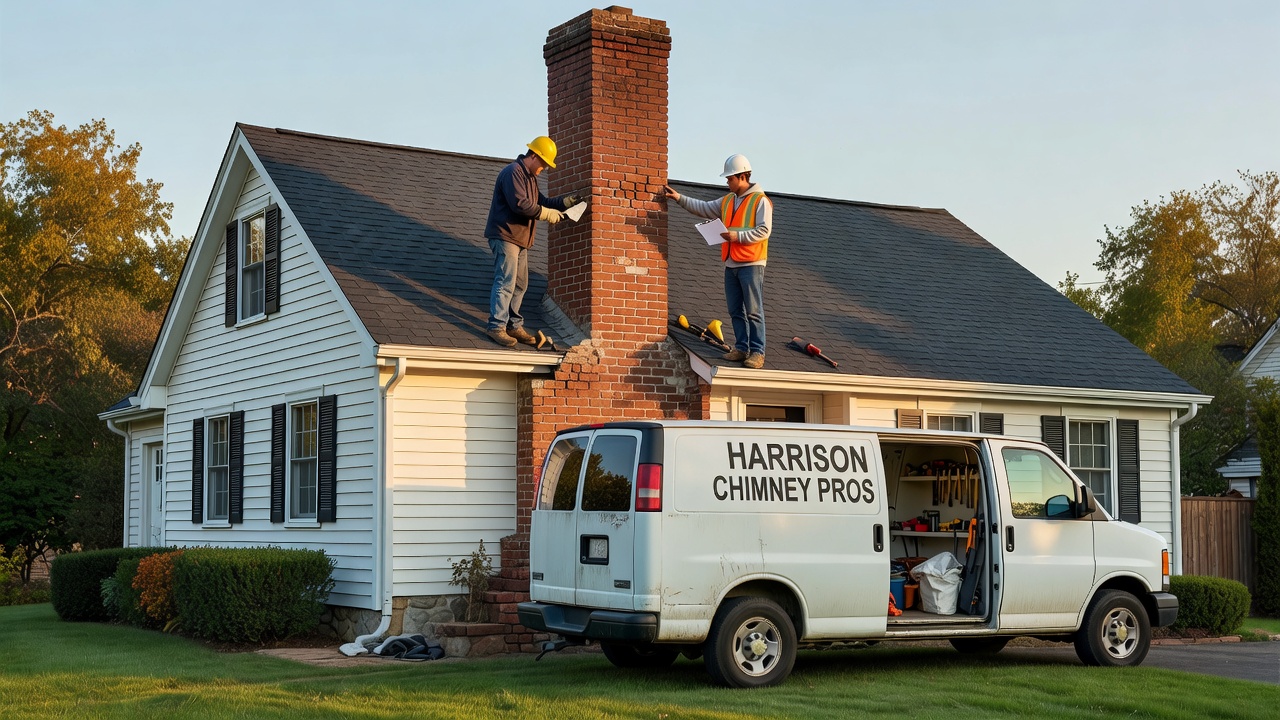
Chimney Repair in Harrison, NY: How to Pick a Contractor Who Actually Knows What They’re Doing
A lot of homeowners in Harrison discover chimney problems the wrong way a water stain on the ceiling, a draft that won’t quit, or a cap that blew off during a nor’easter. Then they call the first name they find online, and that’s where things can go sideways. The chimney repair trade has real craft standards behind it, but it also has its share of contractors who’ll slap on some mortar and move on. Knowing how to tell the difference matters, especially when you’re dealing with a system that’s directly connected to fire and carbon monoxide risk.
This piece covers the most common chimney problems we see on jobs around Harrison and Rye Brook, what’s actually causing them, how a competent contractor diagnoses and fixes each one, and the questions worth asking before you hand anyone a deposit.
Problems We Typically Find on Harrison and Rye Brook Chimneys
Spalling brick and deteriorating mortar joints. This is probably the most common thing we see on older homes in Harrison. The freeze-thaw cycles here in Westchester are brutal on masonry. Water gets into small cracks, freezes, expands, and eventually breaks brick faces off or pops mortar out of joints. The symptom is obvious chunks of brick or mortar in the firebox or on the roof, or visibly crumbling joints when you look up at the stack.
A proper fix starts with a real assessment of how deep the damage goes. Surface tuckpointing covers cosmetic joint erosion. If the brick itself is spalling, you’re looking at partial or full brick replacement. A contractor worth hiring will tell you which situation you have and why, not just quote you “tuckpointing” as a catch-all. The Brick Industry Association publishes guidance on repair standards, and the work should match that not just whatever’s easiest to apply from a caulk gun.
Crown and cap failures. The chimney crown is the concrete slab that covers the top of the masonry stack. It takes a beating every winter, and small cracks in the crown let water straight into the flue system. We see this on maybe a third of inspection jobs in the area. A cracked cap (the metal cover over the flue opening) can also allow rain, debris, and animals inside.
Diagnosis here is straightforward if you actually climb up and look. A hairline crown crack can sometimes be sealed with a flexible crown coating product. Larger structural cracks or a crown that’s broken through will need full replacement. Don’t let anyone tell you from the ground that a crown “looks fine.”
Flashing leaks. The metal flashing where the chimney meets the roof is one of the most common entry points for water, and it’s also one of the most commonly misdiagnosed. Homeowners often assume a leak near the chimney means the chimney itself is the problem. Sometimes it is. Often it’s the flashing — either it was installed wrong to begin with, or the step and counter-flashing have separated over time.
A real diagnosis involves checking from inside the attic during or after rain, not just poking at caulk on the roof. The fix depends on whether the flashing can be re-secured and re-sealed or needs full replacement. A roofer and a chimney contractor will sometimes point at each other here. A chimney specialist should be comfortable owning the flashing work as part of the system.
Liner damage. Clay tile flue liners crack. It happens gradually from thermal cycling, or suddenly from a chimney fire. A cracked liner is a serious safety issue combustion gas, including carbon monoxide, can migrate through cracks into living spaces. The Chimney Safety Institute of America (CSIA) is clear that a damaged liner needs to be repaired or relined before the fireplace is used.
You can’t diagnose liner damage from the firebox opening. It requires a Level 2 inspection using a video camera system that goes up the full length of the flue. If a contractor quotes you liner repair without having done a camera inspection first, that’s a problem. The fix is either targeted crack repair, full relining with a stainless steel liner system, or in some cases a poured-in-place liner depending on the flue configuration.
Firebox deterioration. The firebox is the interior masonry box where the fire actually burns. It’s built with refractory brick and refractory mortar, both of which are rated for high heat. Over years of use, the refractory mortar joints erode and the firebricks can crack. Using regular mortar to patch a firebox is wrong. It will not hold up to the temperatures involved and can actually make the firebox less safe. A proper repair uses rated refractory materials, full stop.
Damper problems. A damper that won’t seal properly wastes heat and lets outside air and animals into the house. Throat dampers in older Harrison homes are often cast iron, and they corrode and warp over time. A top-mounted damper is usually the best upgrade: it seals the flue at the top, keeps animals and weather out, and costs less to heat around. It’s a straightforward fix, but a contractor should inspect the full flue condition before recommending it.
The Questions That Separate Real Pros from Cut-Rate Crews
Ask for CSIA certification. The Chimney Safety Institute of America certifies Chimney Sweep Professionals (CSIA CSP), and it’s the most widely recognized credential in the trade. It’s not the only marker of competence, but a contractor who can’t produce it or doesn’t know what it is should raise a flag.
Ask about their inspection process. A reputable company will do a proper Level 1 or Level 2 inspection before quoting repair work. If someone is pricing liner repairs or tuckpointing without getting on the roof or running a camera, you should wonder what exactly they’re pricing.
Ask for a written scope of work. Not just a dollar figure. A real proposal will tell you what materials are being used, what standard the work will meet, and what’s included. Vague quotes are the setup for scope creep or cut-corner work you won’t notice until winter.
Watch out for door-to-door solicitations after storms. This is common in Westchester after a bad nor’easter. Some of those crews do legitimate work. Others will find “damage” that doesn’t exist and quote you repairs that aren’t needed. Get a second opinion before committing to anything found by someone who knocked on your door.
Can Most of This Be Prevented?
Honestly, yes. Annual cleaning and inspection the standard the CSIA recommends for any actively used fireplace catches most of these problems before they become expensive. A good waterproofing treatment on the masonry every few years helps too, especially given how wet and cold Westchester winters get. Keeping up with small repairs early will keep you from facing a full relining or major structural repair down the road.
Our colleagues at Tappan Chimney Sweep and Teaneck Chimney cover similar ground across the region if you’re looking for additional perspective on what proper chimney service looks like.
If you’re seeing any of the problems described here, or you just haven’t had your chimney looked at in a while, give us a call. We serve Harrison, Rye Brook, and the surrounding Westchester area and will give you a straight answer about what your chimney actually needs.