
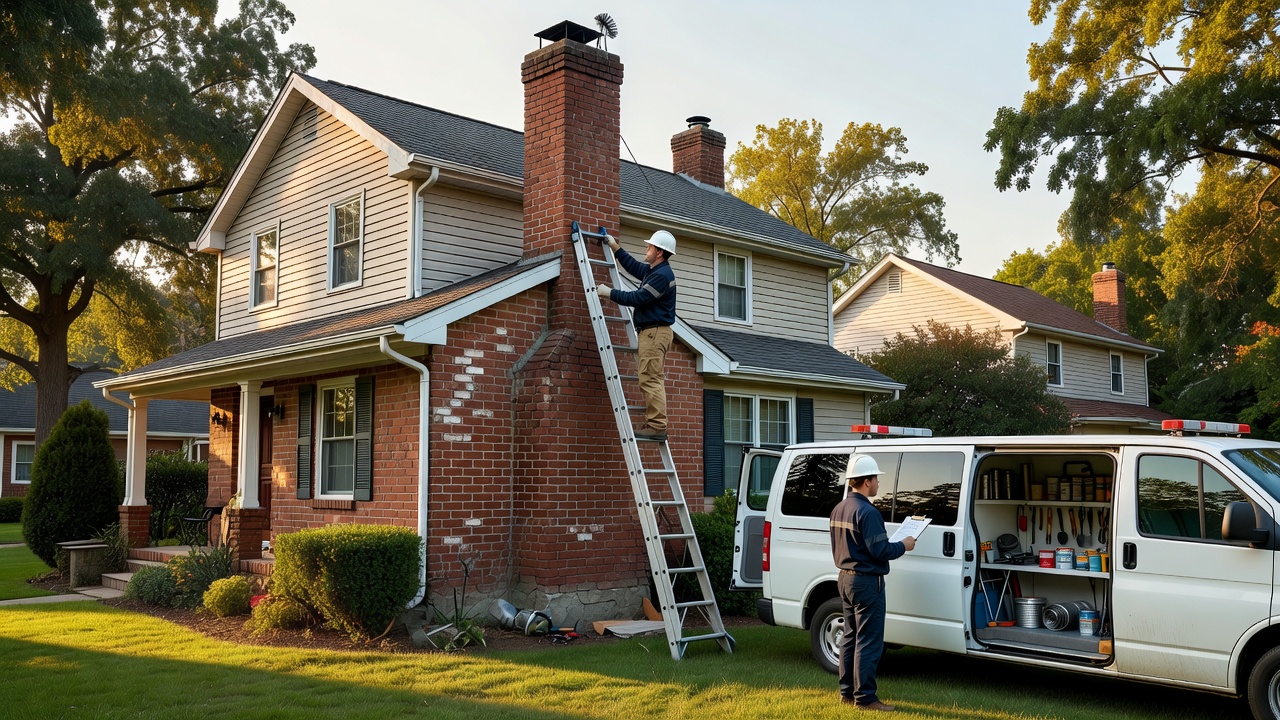
What Chimney Repair Actually Costs in West Harrison, NY
Chimney repair costs in West Harrison, NY, depend on the type of damage, the chimney’s construction, and how much work is needed to correct the problem. Sealing a small crown crack is very different from rebuilding deteriorated masonry or replacing a damaged flue liner. A repair that looks minor from the ground can also involve additional work once the chimney is inspected more closely.
Before approving an estimate, homeowners should understand the likely cost drivers, what the contractor’s quote includes, and which repairs may require permits or additional inspections.
How Much Does Chimney Repair Cost in West Harrison?
There is no single price for chimney repair because the term covers several different services. Westchester County pricing guides published in 2026 show that costs can vary significantly depending on the scope of work, materials, chimney height, and roof access.
The following ranges are useful for initial budgeting. They are planning estimates based on published Westchester-area pricing, not guaranteed quotes for an individual property.
| Repair type | Published Westchester-area planning range |
|---|---|
| Minor crown resealing or repair | $300–$550 |
| Crown repair or replacement | $450–$1,600 |
| Flashing repair | $350–$1,300 |
| Partial tuckpointing or repointing | Varies with the amount of masonry involved |
| Damper replacement | $350–$850 |
| Stainless steel flue liner | $2,800–$7,500 |
| Clay tile liner work | $3,500–$8,500 |
| Partial chimney rebuild above the roofline | $3,500–$11,000 |
| Full chimney rebuild | $12,000–$30,000 or more |
<text size=”sm” color=”secondary”>Source: Published 2026 Westchester County chimney cost guide. Actual quotes may fall outside these ranges, and individual contractors may define services differently.</text>
These figures are not interchangeable. A small crown repair is different from removing and rebuilding the crown, and replacing a liner is different from repairing a limited section of masonry. A contractor should inspect the relevant components before recommending a specific repair.
What Pushes Chimney Repair Costs Up or Down?
1. How Far the Damage Has Progressed
The extent of deterioration is often one of the biggest cost factors. A small crack in a chimney crown may be repairable without rebuilding the entire structure. If water intrusion continues, however, damage can spread to mortar joints, bricks, and other components.
West Harrison experiences seasonal temperature changes that can contribute to moisture-related masonry deterioration. Water entering cracks may freeze and expand, worsening existing damage over time.
The appropriate repair depends on the condition of the chimney, not simply the age of the problem. Ask the contractor to identify the damaged area and explain why the proposed repair is necessary.
2. Chimney Height and Roof Access
A chimney on a low roof may be easier to access than one on a tall home with a steep or delicate roof. Difficult access can increase labor time and may require scaffolding, specialized equipment, or additional protection for the roof and surrounding property.
The estimate should explain whether access equipment is included in the price. If scaffolding or other equipment is necessary, ask whether that cost is listed separately.
3. The Condition of the Flue Liner
A flue liner helps contain combustion products and protect the surrounding chimney structure from heat and corrosive byproducts. Cracked clay tiles, missing sections, or other damage may require repair or replacement.
A stainless steel liner may be an appropriate solution for some systems, but it is not automatically the correct choice for every damaged chimney. The appropriate option depends on the existing chimney, the appliance or fireplace it serves, the extent of damage, and applicable code and manufacturer requirements.
A damaged liner is a safety concern that deserves proper evaluation. However, replacing it is not automatically required simply because a contractor discovers a crack. Ask for documentation of the damage, the proposed repair method, and the reason that method is suitable for your system.
4. Materials and Masonry Matching
Chimney repairs may involve mortar, firebrick, crown materials, flashing, or replacement masonry. Costs can rise when the work requires special materials, custom brick matching, or careful reconstruction of an existing design.
Mortar selection is particularly important for masonry repairs. The replacement mortar must be compatible with the existing brick and construction. An unsuitable mortar can contribute to further deterioration rather than solve the original problem.
Ask the contractor to specify the materials being used and explain how they suit the existing chimney.
5. Whether an Additional Inspection Is Needed
A repair estimate may change if the initial inspection identifies damage outside the original scope. For example, a water leak that appears to involve the crown may also involve flashing, masonry, or the flue liner.
A Level 2 chimney inspection is generally called for under NFPA 211 guidance when a property is sold or transferred, when certain changes are made to the appliance or fuel, or when an event or malfunction may have damaged the chimney. It includes a more detailed examination and video scanning of the flue when feasible.
The cost of an inspection is separate from the cost of repairs unless the contractor explicitly includes both in the estimate. Ask whether the inspection fee will be credited toward the repair, but do not assume that it will.
6. Permits and Local Requirements
Permit requirements depend on the work being performed and the applicable municipality. The Town/Village of Harrison lists a residential short-form building permit application for work that includes chimney lining.
Before authorizing a liner replacement, structural alteration, or other substantial repair, ask the contractor whether a permit is required. You can also contact the Harrison Building Department to confirm the requirements for your specific property.
A contractor should identify permit fees and any required inspections in the estimate rather than leaving you to discover those costs after work begins.
What Should a Chimney Repair Estimate Include?
A written estimate should describe the specific work being proposed rather than simply listing “chimney repair.”
Before signing, check whether the quote identifies:
The damaged component: For example, the crown, flashing, mortar joints, firebox, damper, or flue liner.
The repair method: Specify whether the work involves sealing, repointing, replacing components, relining, or rebuilding.
Labor and materials: Clarify whether both are included in the quoted amount.
Access and cleanup: Confirm whether scaffolding, roof protection, debris removal, and disposal are included.
Inspection and testing: Ask whether an inspection is included and whether any additional evaluation is recommended.
Additional damage: Find out how the contractor will notify you and obtain approval if hidden damage is discovered.
Permits and fees: Confirm who will obtain any required permits and whether associated costs are included.
Warranty terms: Ask what the warranty covers, how long it lasts, and whether exclusions apply.
Waterproofing may also be worth discussing when moisture intrusion has contributed to masonry deterioration. A suitable vapor-permeable water repellent can help limit liquid-water absorption while allowing water vapor to escape. It does not replace repairing defective masonry, flashing, or the chimney crown.
Whether waterproofing is appropriate, and what it will cost, depends on the condition and size of the chimney. Request a separate price and explanation rather than assuming the treatment is necessary after every repair.
How to Avoid Overpaying for Chimney Repairs
A reliable estimate begins with identifying the actual problem. Be cautious about approving extensive repairs when the contractor has not explained the findings or shown why the work is necessary.
Here are four ways to compare estimates fairly.
Get a written scope of work. A quote should identify the exact areas being repaired and the methods and materials to be used.
Compare like with like. One estimate may include scaffolding, cleanup, inspection, and waterproofing, while another may cover only the repair itself. Compare the included services before deciding which quote offers better value.
Ask for documentation. Photographs or other documentation can help you understand the damage and the proposed solution. For concealed liner damage, ask whether a more detailed inspection is appropriate.
Verify qualifications and local requirements. Ask about relevant chimney training and certifications, insurance, and any required contractor registration or permits. CSIA certification can be a useful credential to check, but it does not replace evaluating the written scope and the contractor’s qualifications for the specific work.
The lowest estimate is not always the least expensive option over time, but a higher quote is not automatically better either. The goal is to understand the problem and approve a repair that addresses it appropriately.
Get a Clear Chimney Repair Estimate in West Harrison
Homeowners in West Harrison and nearby Purchase, NY, should begin with an inspection when the cause or extent of chimney damage is uncertain. A documented assessment can help distinguish a limited repair from a larger project and clarify whether additional inspection or permits are needed.
Chimney Experts is named in the original service information for this article. Before publication, confirm the company’s current West Harrison service area, qualifications, and whether it provides written estimates for the repairs described here.
If you are comparing chimney repair estimates, ask each contractor to explain the damage, specify the work, identify additional costs, and document any recommendations. A clear scope of work makes it easier to compare prices and make an informed decision.
Related from Chimney Experts in Port Chester: Chimney Repair in Harrison, NY · Chimney Sweep in Port Chester, NY