
Chimney Cleaning Westchester County: Professional Sweeping for Safer Homes
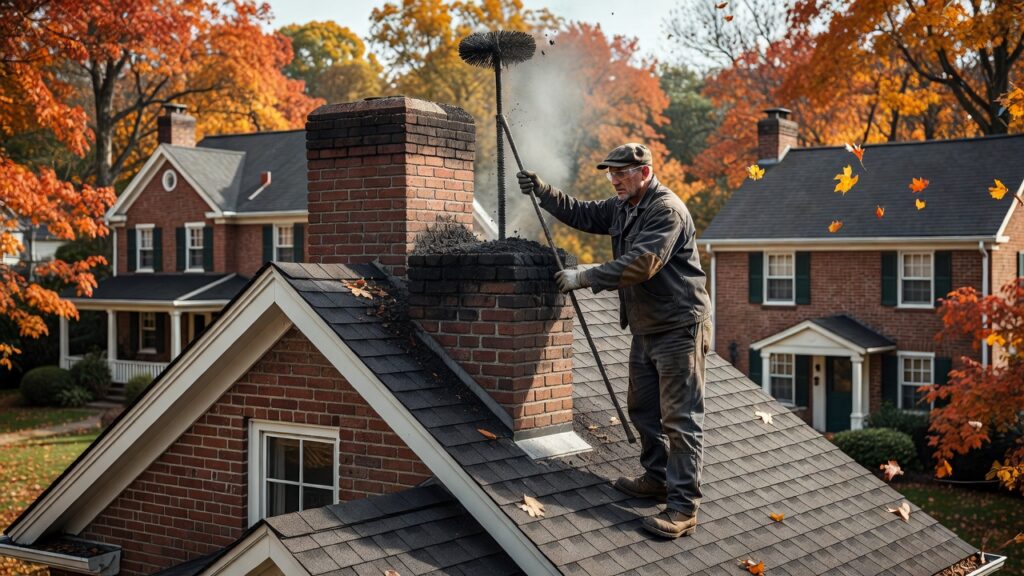
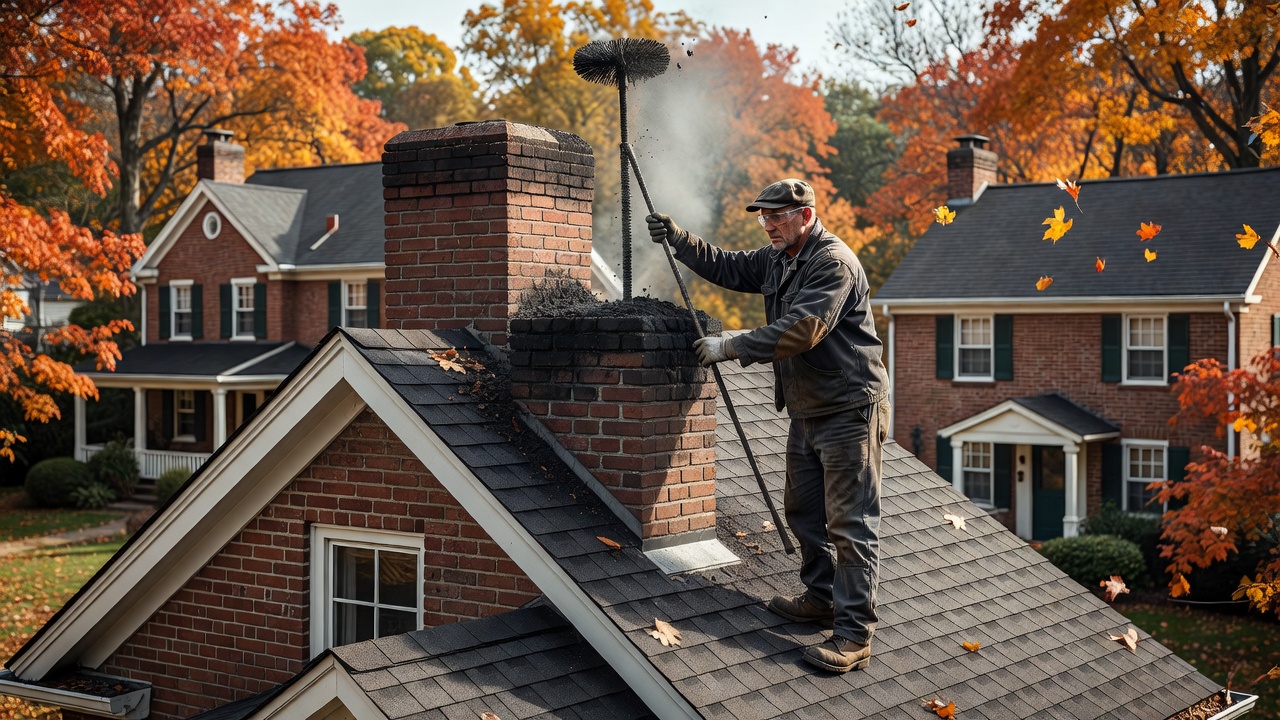
Chimney cleaning in Westchester County helps remove creosote, soot, and debris that can interfere with proper venting. For homeowners with wood-burning fireplaces, regular maintenance is important because combustible deposits can accumulate inside the flue and increase the risk of a chimney fire.
A professional chimney inspection can also identify problems such as damaged liners, blockages, deteriorating masonry, and other conditions that may affect the chimney system.
Chimney Experts serves homeowners in Port Chester and surrounding Westchester County communities. Whether you have a traditional masonry fireplace, a wood stove, or a chimney connected to a heating appliance, understanding the maintenance your system needs can help you plan the right service.
Why Chimney Cleaning Matters for Westchester County Homes
Chimney problems are not always obvious. Some homeowners first notice an unusual odor when they light their first fire of the season. Others see dark deposits inside the firebox or discover that smoke is not drafting as expected.
One common concern is creosote. This combustible material forms when products of wood combustion cool and condense along the interior surfaces of a chimney.
Creosote can develop in different forms:
Flaky deposits: Relatively loose material that may be removed through conventional chimney brushing.
Sticky or tar-like deposits: More difficult material that can adhere firmly to the flue walls.
Hard, glazed deposits: Dense creosote that may require specialized professional cleaning methods.
The amount and type of buildup depend on several factors, including wood moisture content, burning habits, appliance operation, and chimney design.
Burning wet or poorly seasoned wood can contribute to creosote accumulation. Fires that smolder for extended periods may also produce conditions that encourage deposits to form.
Heavy creosote buildup can become a chimney fire hazard. That is why regular inspections and cleaning when necessary are important parts of fireplace maintenance.
How Often Should a Chimney Be Inspected and Cleaned?
NFPA 211 recommends that chimneys, fireplaces, and vents be inspected at least once a year for soundness, deposits, and proper clearances. Cleaning, maintenance, and repairs should be performed when necessary.
This does not mean every chimney requires a full cleaning every year. The appropriate cleaning frequency depends on how often the fireplace is used, the type of fuel burned, the appliance, and the amount of deposits inside the system.
Homeowners who burn wood frequently may need more frequent evaluations. If deposits accumulate quickly, a mid-season inspection or cleaning may be appropriate. A qualified chimney professional can assess the condition of the flue and explain when service is needed.
What Professional Chimney Cleaning Includes
A professional chimney cleaning involves more than pushing a brush through the flue. The technician should evaluate accessible parts of the system and select cleaning methods appropriate for the chimney’s construction and the deposits present.
A typical wood-burning chimney cleaning appointment may include:
Firebox inspection: Checking accessible firebrick, mortar joints, and visible areas for damage.
Flue evaluation: Looking for creosote, soot, obstructions, and visible deterioration in accessible areas.
Chimney sweeping: Using suitable brushes or mechanical equipment to remove deposits from the flue.
Smoke chamber and smoke shelf cleaning: Removing accumulated soot and debris from these areas when accessible and included in the service.
Firebox cleanout: Removing loose ash and cleaning the fireplace area.
Damper inspection: Checking accessible components for visible damage or operating problems.
Debris removal: Using appropriate vacuum equipment and containment methods to limit dust and soot inside the home.
Service summary: Explaining findings and identifying any recommended maintenance or repairs.
The exact scope depends on the appliance and chimney configuration. A routine cleaning should not automatically be described as a full Level 2 inspection or an internal video examination of every part of the liner.
If a technician identifies a possible liner crack, damaged damper, or animal obstruction, additional inspection may be needed to determine the extent of the problem.
Chimney Cleaning for Wood, Gas, and Oil Appliances
Different heating systems produce different deposits and have different maintenance requirements. A single cleaning procedure should not be assumed to work for every type of chimney or vent.
Wood-burning fireplaces and stoves
Wood-burning systems can accumulate creosote and soot. Mechanical sweeping is commonly used to remove these deposits. The appropriate brush and cleaning method depend on the flue material, design, and condition.
Gas appliances
Gas-fired appliances generally do not produce wood-burning creosote, but their venting systems still need inspection. Blockages, corrosion, moisture-related deterioration, and damaged connections can affect proper venting.
The appliance manufacturer’s maintenance instructions should guide the inspection and servicing procedure.
Oil-fired heating systems
Oil-fired appliances can produce soot and other combustion deposits in their venting systems. The appropriate cleaning and maintenance procedures depend on the appliance, flue configuration, and condition of the system.
A technician should evaluate the connected appliance and venting arrangement rather than treating an oil flue exactly like a wood-burning fireplace chimney.
Westchester County Chimney Conditions Worth Knowing
Westchester County includes communities with a wide range of home styles, construction periods, and chimney designs. Port Chester, Rye, Mamaroneck, Harrison, and other nearby towns have properties with different masonry materials and heating systems.
Older masonry chimneys may have clay tile liners, which can deteriorate over time. Exposure to heat, moisture, and repeated temperature changes can contribute to cracks or other damage. A previous chimney fire can also affect liner condition.
A cracked liner deserves attention because the liner helps contain combustion products and protect surrounding masonry and building materials. Damage may compromise the chimney’s ability to safely vent smoke and combustion gases.
A chimney can appear to draw normally even when its liner has deteriorated. That is why visual observations from the fireplace opening alone cannot establish that the entire system is in good condition.
Understanding Chimney Inspection Levels
Not every chimney inspection involves the same amount of access or equipment.
Level 1 inspection: Generally appropriate for routine annual evaluations when the appliance and chimney are used under the same conditions. It covers readily accessible portions of the system.
Level 2 inspection: A more detailed inspection that may be needed after a chimney fire, a change in appliance, a change in fuel type, or a change in the property’s ownership or use. It may include accessible attics and crawl spaces and an internal video scan of the flue.
Level 3 inspection: Used when a serious suspected hazard requires access to concealed areas or components that cannot be evaluated through less invasive methods.
A routine chimney cleaning does not automatically include a Level 2 or Level 3 inspection. The appropriate inspection level depends on the circumstances and the condition of the system.
Frequently Asked Questions About Chimney Cleaning in Westchester County
How often does a wood-burning fireplace in Westchester need to be cleaned?
A wood-burning chimney should be inspected at least once a year. However, cleaning is needed when the amount and type of deposits indicate that removal is necessary.
Homeowners who burn frequently, use poorly seasoned wood, or operate their fireplaces in ways that encourage smoldering may experience faster creosote accumulation.
Rather than relying on a fixed number of cords or a calendar date, have the chimney evaluated regularly. The inspection findings can help determine whether cleaning is needed before the next planned use.
Can I use a chimney cleaning log instead of hiring a professional sweep?
No. Chimney cleaning logs should not replace professional inspections or mechanical sweeping when cleaning is necessary.
Some chemical products may change the condition of certain creosote deposits and make them easier for a professional to remove. However, they do not provide the same results as mechanical cleaning, and loosened debris still needs to be removed from the chimney system.
The Chimney Safety Institute of America recommends combining a professional evaluation with appropriate mechanical cleaning. Chemical products may sometimes be used as part of a professional cleaning process, but they should not be treated as a substitute for it.
What happens if a technician finds a cracked chimney liner?
The technician should explain where the damage appears to be and whether further inspection is needed to establish its extent.
A cracked liner may affect the chimney’s ability to contain combustion gases and protect surrounding materials. The seriousness depends on the location, extent, and condition of the damage.
Depending on the findings, repair options may include replacing damaged liner sections, installing a suitable replacement liner, or using an approved resurfacing system when appropriate.
If the damage may compromise safe operation, stop using the connected appliance until a qualified professional evaluates the system and advises whether it can be used.
Does an oil furnace chimney need cleaning?
Oil-fired heating systems can accumulate soot and other combustion deposits in their venting systems. These systems should be maintained according to the appliance manufacturer’s instructions and the condition of the chimney or vent.
A qualified technician can evaluate the appliance and flue to determine what cleaning or maintenance is necessary.
Schedule Your Chimney Cleaning in Westchester County
A clean, properly maintained chimney helps support effective venting and reduces the risks associated with excessive combustible deposits. Regular inspections can also identify problems that may not be visible from inside the fireplace.
Chimney Experts serves Port Chester and surrounding Westchester County communities. If you use a wood-burning fireplace, wood stove, or another appliance connected to a chimney, ask about the appropriate inspection and cleaning for your system.
Contact Chimney Experts through the form on this page to discuss your chimney, ask about service availability, or arrange an inspection. The technician can explain the work recommended for your particular system and identify any additional repairs that may be necessary.
Related from Chimney Experts in Port Chester: Chimney Repair in Port Chester, NY