
Published November 6, 2026
When to Schedule Chimney Repair in Mamaroneck, NY And What It Costs to Wait
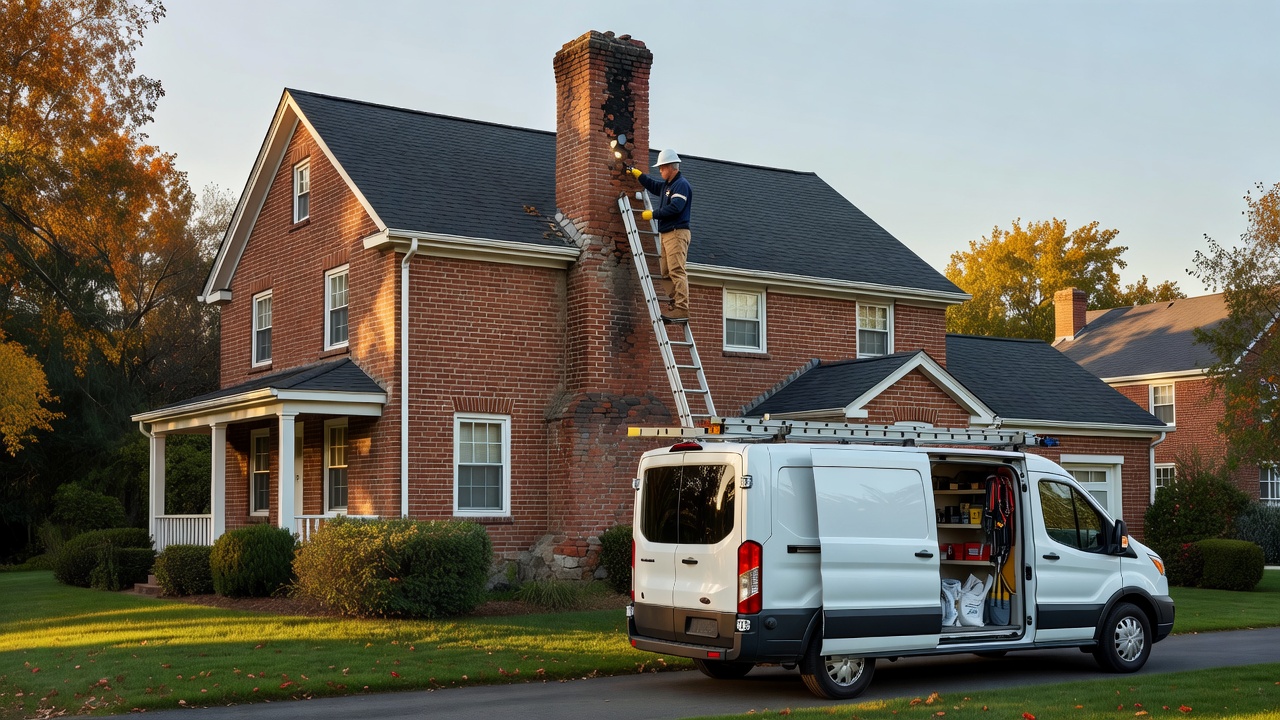
Chimney repairs in Mamaroneck typically run $300 to $1,500 for common work like tuckpointing or cap replacement. Put that job off through a full winter, and you may be looking at $3,000 or more once water has worked its way into the masonry. That gap is why timing matters. Mamaroneck sits on the Long Island Sound shore, which means it gets both the freeze-thaw cycles that damage masonry inland and the salt-air humidity that accelerates mortar deterioration along the coast. The chimney on a house near Shore Road ages differently than one in a landlocked suburb. That context shapes when repairs make sense here.Spring: The Best Window for Most Repairs
Late March through May is the most practical time to schedule chimney repair in Mamaroneck. After a full Westchester winter, any existing cracks have been worked open by repeated freezing and thawing. An inspection at this point gives you a clear picture of what the season caused. Masonry repair also requires temperatures above 40°F for mortar to cure correctly. Spring gives contractors that window without the scheduling pressure of fall. Masons can work comfortably, mortar sets properly, and you have months of dry weather ahead before the next heating season. If you use a wood-burning fireplace or a gas insert, the NFPA 211 standard recommends inspection at least once a year. Spring, right after you stop using the system, is a logical time for that inspection and for any repair that follows.Summer: Still a Good Time, If You Haven’t Gone Yet
June through August is generally the second-best window. Masonry dries and cures well in warm weather. The main drawback is scheduling. This is when contractors are busiest with exterior work, so lead times can stretch two to four weeks longer than in spring. That said, summer repairs still leave plenty of time before heating season. If you missed the spring window, book in June or early July rather than waiting further. One thing worth noting for Mamaroneck specifically: the humidity off the Sound means chimneys here are more susceptible to efflorescence and spalling than those in drier inland areas. Summer is a good time to have a certified sweep assess whether the crown and cap are sealed properly before fall rains arrive.Fall: High Demand, Compressed Schedule
September and October are when most homeowners suddenly think about their fireplaces. Inspection requests spike, and repair slots fill quickly across Westchester County. This is not the best time to discover you have a cracked firebox or damaged liner. If you do schedule a fall inspection and repairs come out of it, there is still time to complete straightforward jobs like cap replacement, damper repair, or minor tuckpointing before temperatures drop consistently. But larger jobs, such as relining a flue or rebuilding a crown, may push into November, when cold weather complicates mortar work. CSIA-certified sweeps will tell you the same thing: fall appointments book out faster than any other season. If you want a fall slot, call in August.Winter: When Repairs Get Difficult and Dangerous
December through February is the worst time to need chimney repair, for two reasons. First, mortar cannot be applied below freezing without admixtures and careful temperature management. Many contractors in Westchester will not schedule exterior masonry in January or February at all. Work that could have been done for $400 in May may require protective scaffolding, heating equipment, and additional labor charges in winter. Second, if you discover a problem mid-winter, your choices narrow fast. A cracked liner or deteriorated firebox is a carbon monoxide and fire risk. The National Fire Protection Association cites chimney problems as a leading cause of home heating fires. Using a fireplace with known structural damage is not a responsible option, but neither is going without heat in a Mamaroneck January. The practical risk is this: a small crack in the flue tile, left through one winter, allows combustion gases and heat to contact surrounding framing. That is how chimney fires start in otherwise well-maintained houses.What Happens When Repairs Are Deferred
Water is the primary mechanism of chimney damage. It enters through a cracked crown, a failed cap, or deteriorated mortar joints. Once inside the masonry, it freezes, expands, and widens the gap. Each winter cycle does more damage than the last. A tuckpointing job that costs $400 to $600 in spring can become a partial chimney rebuild costing $4,000 or more if water penetration is left unaddressed for two or three winters. The masonry deterioration is not linear; it accelerates once the mortar joints are compromised deeply enough to let water reach the brick core. For homeowners in coastal areas of Mamaroneck, that timeline is compressed compared to inland Westchester, because the salt air adds a second source of mortar breakdown alongside freeze-thaw damage.A Simple Scheduling Rule
Inspect in spring, repair before summer is out, and go into fall with a confirmed clean bill of health from a CSIA-certified sweep. That sequence keeps repair costs manageable and keeps your household safe. If you’re outside the immediate area, the same seasonal logic applies across Westchester. Our colleagues at Tappan Chimney Sweep serve Rockland County and southern Westchester, and Garden City Chimney Service covers Nassau County on Long Island. For chimney repair in Mamaroneck, NY, contact Chimney Experts through the form on this site to schedule an inspection. The earlier in the season you book, the more options you have.Serving your area: For related services in nearby communities, see Garden City Chimney Service and Tappan Chimney Sweep.
Related from Chimney Experts in Port Chester: Chimney Sweep in Port Chester, NY · Chimney Inspection in Port Chester, NY